
5 August 2026
What Every Restaurant Owner Should Know Before Building a Website
Before you brief a designer or grab a template, here's what actually makes a restaurant website bring in bookings and orders not just compliments on how it looks.
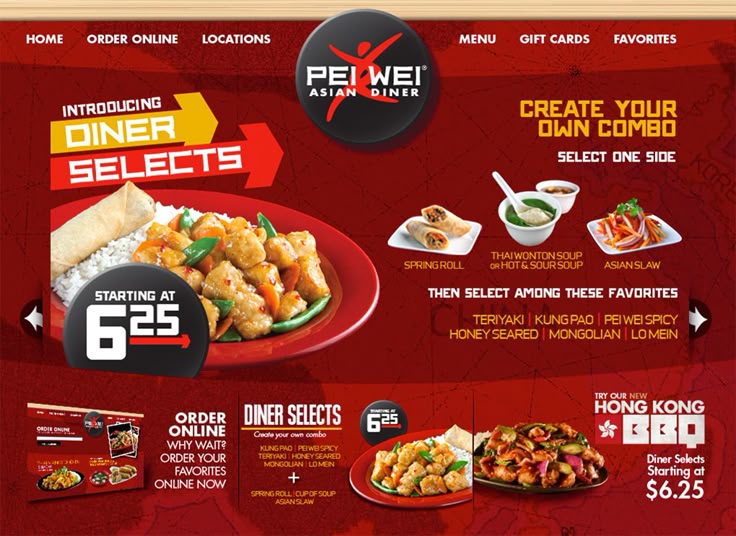
Start with the job, not the look
Most restaurant websites get built backwards. Someone picks a template because it looks nice, drops in a logo, and calls it finished. But a restaurant site only has a few real jobs — get someone to book a table, place an order, or decide to walk in. Every choice on the page should be judged against that, not against how it looks in a screenshot.
Before you brief anyone, get clear on what you actually want the site to do. More reservations? More takeout orders? Show up when someone searches "restaurant near me"? Each goal changes what the homepage should be built around.
Your menu needs to be real text, not a photo of a printout
A menu that only exists as a photographed PDF is one of the most common — and most costly — mistakes. It's slow to load, impossible to search, unreadable on small screens, and invisible to Google, which means you won't show up when people search for specific dishes. Your menu should live on the page as actual text that you can edit yourself when prices or items change.
Mobile comes first, not last
Most people checking out a restaurant are doing it on their phone — often while already hungry, standing outside, or deciding where to go in the next twenty minutes. If they have to pinch and zoom to read anything, you've likely lost them before they even see what you serve.
Make the "do this now" actions obvious
A good restaurant site puts a few things within one tap, on every page:
A reservation button that opens an actual booking flow, not a phone number buried in the footer A direct link to order for delivery or pickup Your address with a map, and hours that are genuinely up to date Local search matters more than a beautiful homepage
Long before someone lands on your site, they usually find you through a Google search or Maps listing. A polished homepage does nothing if your Google Business Profile has the wrong hours or an old address. Keeping your name, address, and phone number consistent everywhere — and gently asking happy customers for reviews — often brings in more diners than any homepage redesign.
Photos do a lot of the selling
Good food photography sells harder than good copywriting ever will. A few genuinely appetizing, well-lit shots of your actual dishes and space will outperform a dozen generic stock images every time.
A restaurant website's whole job is simple: get someone through the door, or get the order placed. Everything else is decoration.
Somebody has to keep it updated
Prices change. Seasonal dishes rotate. Holiday hours shift. A site with outdated information often does more damage to trust than having no website at all. Whoever builds your site, ask upfront how you'll make small updates yourself without needing to call them every time.
Budget for it as part of running the business
A restaurant website isn't a one-time purchase — it's more like a lease. Domain, hosting, and occasional updates (new menu items, refreshed photos, a seasonal promotion) are ongoing costs, small ones, but worth planning for rather than being surprised by.
Where we come in
This is the exact gap we work in at Jasha.rw. We design and build websites for restaurants and hospitality brands across Rwanda that are built around getting bookings and orders — not just looking good in a portfolio. If you're weighing a new site, or your current one isn't pulling its weight, start a project with us and we'll walk through it together.
Content
- Restaurant websites
- Hospitality
- Web design